In the world of automobiles, the humble car battery often goes unnoticed, silently powering our vehicles and enabling us to go about our daily routines. However, this unassuming component plays a crucial role in the functioning of our cars. In this blog post, we will dive into the world of car batteries, exploring their importance, how they work, and some maintenance tips to ensure their longevity.
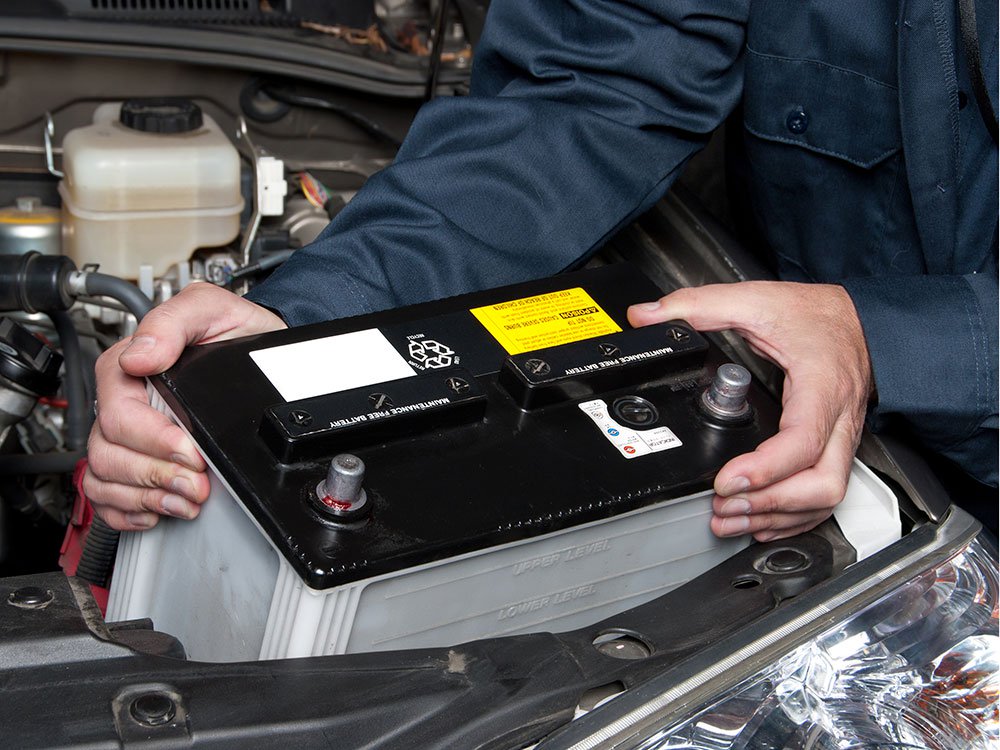
- The Importance of Car Batteries: Car batteries are the heart and soul of any vehicle’s electrical system. They provide the necessary energy to start the engine, power the lights, operate the infotainment system, and enable various other electrical components to function. Without a reliable battery, our cars would simply refuse to come to life. Understanding their significance helps us appreciate the vital role they play in our daily lives.
- How Car Batteries Work: Car batteries are typically lead-acid batteries, composed of several cells that convert chemical energy into electrical energy. Each cell consists of two lead plates immersed in a sulfuric acid solution, which undergoes a chemical reaction to produce electricity. When you turn the ignition key, the battery delivers a surge of electricity to the starter motor, allowing the engine to start. The alternator then takes over, recharging the battery while the car is running.
- Factors Affecting Battery Performance: Several factors can impact the performance and lifespan of a car battery. These include extreme temperatures, both hot and cold, which can affect the chemical reactions within the battery. Additionally, frequent short trips without sufficient driving time to recharge the battery, leaving lights or other electrical components on when the engine is off, and a high number of electrical accessories can drain the battery more quickly.
- Signs of a Failing Battery: Recognizing the warning signs of a failing battery is crucial to prevent unexpected breakdowns. Common symptoms include difficulty starting the engine, dimming headlights, a slow crank, a battery warning light on the dashboard, or corrosion around the battery terminals. Regularly monitoring these signs and addressing them promptly can save you from being stranded with a dead battery.
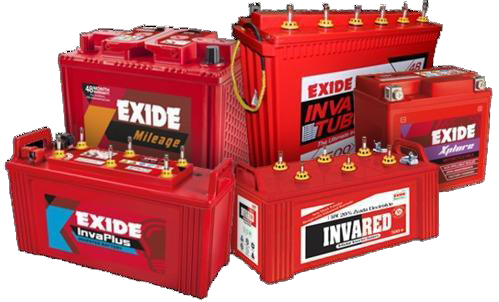
- Maintaining and Extending Battery Life: Proper maintenance is key to maximizing the lifespan of your car battery. Some essential tips include:
- Regularly inspecting the battery for any signs of damage or corrosion and cleaning the terminals.
- Ensuring the battery is securely fastened in place to prevent vibrations that can lead to internal damage.
- Checking the electrolyte levels (for non-maintenance-free batteries) and topping them up with distilled water if necessary.
- Avoiding excessive use of electrical accessories when the engine is off, as it can drain the battery.
- Testing the battery’s voltage periodically or getting it professionally tested to gauge its health.
- Types of Car Batteries: While lead-acid batteries are the most common type found in cars, there are other options available as well. Some vehicles, especially hybrid or electric cars, use advanced battery technologies such as lithium-ion or nickel-metal hydride batteries. These batteries offer higher energy density, longer life cycles, and are more environmentally friendly compared to traditional lead-acid batteries. Exploring the different types of batteries can shed light on emerging technologies and their impact on the automotive industry.
- Jump-Starting a Car Battery: A dead battery can happen to anyone, and knowing how to jump-start a car is a valuable skill. This section can provide step-by-step instructions on safely jump-starting a car using jumper cables and another vehicle’s battery. It’s essential to understand the correct sequence and precautions to avoid damaging the electrical system or injuring yourself.
- Battery Recycling and Disposal: As with any other electronic device, car batteries have a lifespan and eventually need to be replaced. It’s crucial to dispose of old batteries properly to minimize environmental impact. Discussing the importance of battery recycling and providing information on local recycling facilities or drop-off points can encourage responsible battery disposal practices.
- Advanced Battery Management Systems: Modern vehicles often come equipped with advanced battery management systems (BMS) that monitor the battery’s health, charge level, and temperature. These systems optimize the charging process and provide important information to the driver, such as remaining battery life and estimated range. Exploring the role of BMS in ensuring battery efficiency and longevity can highlight the advancements in automotive technology.
- Future Trends in Car Batteries: The automotive industry is constantly evolving, and car batteries are no exception. This section can touch upon emerging trends and innovations, such as solid-state batteries, which promise even higher energy density and faster charging times. Additionally, advancements in battery technology for electric vehicles, including improved range and charging infrastructure, can be discussed to give readers a glimpse into the future of automotive power.

Conclusion: Car Batteries in Ghodbunder Thane are the unsung heroes that power our vehicles and keep us on the move. By understanding their functionality, signs of failure, and maintenance requirements, we can ensure a reliable and efficient driving experience. As technology continues to advance, batteries will play an increasingly vital role in shaping the future of transportation. Embracing these developments and practicing responsible battery management will contribute to a more sustainable and enjoyable driving experience for all. Car batteries may not be the most glamorous part of a vehicle, but they are undoubtedly one of the most critical components. Understanding how they work and taking proactive steps to maintain their health can prevent unexpected breakdowns and keep your vehicle running smoothly. So, the next time you turn the key and hear the engine roar to life, take a moment to appreciate the incredible power source that lies under the hood—the unsung hero of your daily journeys.
Comments
Post a Comment